

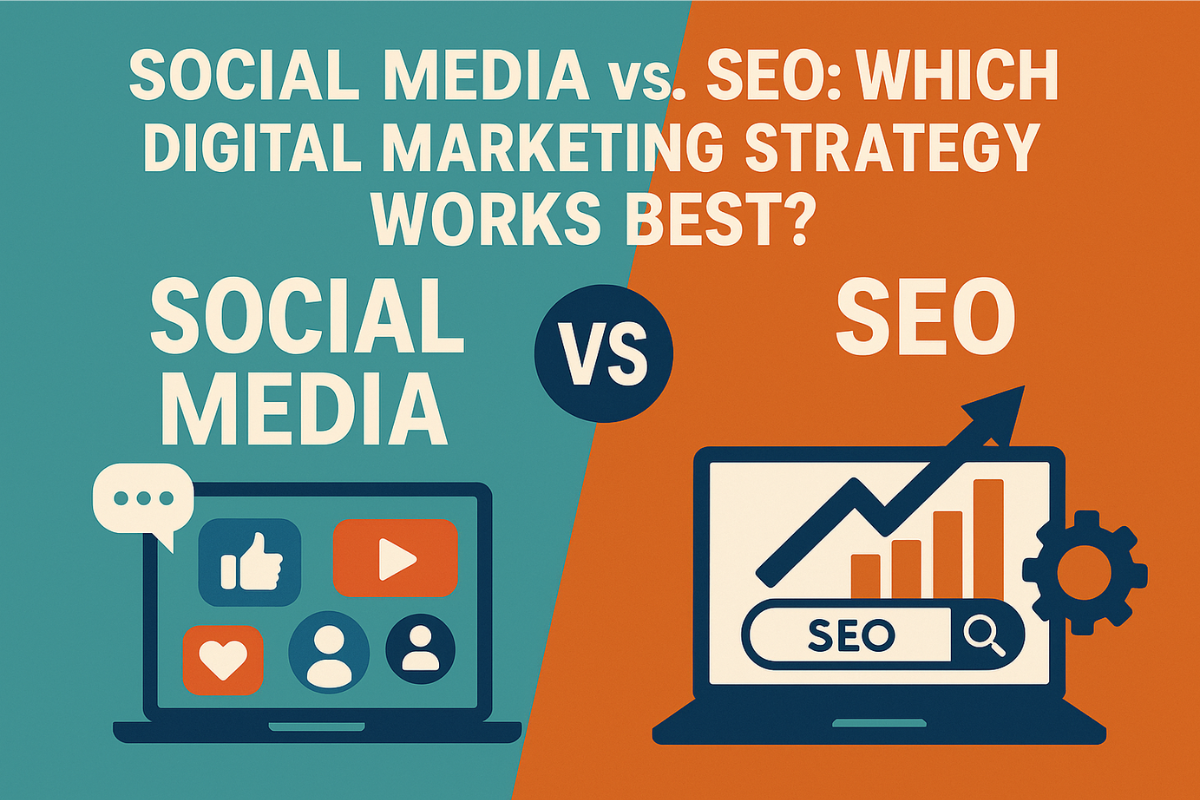
In the modern digital landscape, businesses have multiple ways to reach their audience. Two of the most popular digital marketing strategies are Social Media Marketing (SMM) and Search Engine Optimization (SEO). Both methods aim to increase online visibility and drive traffic, but they work in very different ways. Choosing the right strategy for your business can make a significant difference in your marketing ROI. In this article, we’ll explore the strengths, weaknesses, and effectiveness of both strategies to help you make an informed decision.
Understanding Social Media Marketing and SEO
Before comparing the two, it’s essential to understand what Social Media Marketing and SEO are and how they operate.
Social Media Marketing (SMM) involves creating content and campaigns for platforms like Facebook, Instagram, Twitter, LinkedIn, and TikTok to engage users, build a community, and drive traffic to your website. Social media allows direct interaction with your audience, creating a personal connection that can lead to brand loyalty.
Search Engine Optimization (SEO), on the other hand, focuses on improving your website’s visibility in search engine results pages (SERPs) like Google, Bing, or Yahoo. SEO involves optimizing your website content, structure, and backlinks so that search engines rank your site higher for relevant keywords. Unlike social media, SEO targets users actively searching for your products or services, providing highly targeted traffic.
Social Media vs. SEO: Key Differences
To make the comparison easier, here’s a table summarizing the main differences between Social Media Marketing and SEO:
| Feature/Aspect | Social Media Marketing (SMM) | Search Engine Optimization (SEO) |
|---|---|---|
| Definition | Using social platforms to engage audiences and promote products/services. | Optimizing website content to rank higher in search engines. |
| Purpose | Brand awareness, engagement, and customer interaction. | Drive organic traffic and increase website visibility. |
| Traffic Type | Usually direct traffic from posts, ads, and shares. | Organic traffic from search engine results. |
| Cost | Paid ads can be expensive; organic reach can be limited. | Primarily time and effort; can include costs for tools or SEO experts. |
| Speed of Results | Fast, especially with paid campaigns. | Slow; may take months to see significant results. |
| Longevity of Impact | Temporary; posts quickly lose relevance unless constantly updated. | Long-term; high-ranking pages can attract traffic for years. |
| Audience Targeting | Detailed demographic targeting through platform ads. | Targeting via keyword optimization and search intent analysis. |
| Engagement | High engagement potential; allows direct communication with audience. | Limited engagement; mainly informational content consumption. |
| Analytics & Metrics | Impressions, likes, shares, comments, clicks, and engagement rates. | Organic traffic, keyword rankings, backlinks, domain authority. |
| Best For | Building brand presence, running campaigns, and viral marketing. | Attracting long-term, high-intent users searching for specific solutions. |
This table provides a basic understanding of how these strategies differ in approach, cost, and results.
Advantages of Social Media Marketing
- Instant Engagement
Social media allows brands to interact with their audience in real time. Likes, comments, and shares create immediate feedback and allow businesses to adapt their messaging quickly. - Viral Potential
Creative campaigns on social platforms can go viral, reaching thousands or even millions of users without significant advertising costs. - Targeted Advertising
Social media platforms provide precise targeting options based on age, gender, interests, location, and behavior, ensuring your content reaches the most relevant audience. - Brand Personality and Trust
Regular interaction on social media humanizes your brand and builds trust with your audience. Sharing behind-the-scenes content, stories, or customer reviews can enhance credibility. - Cost-Effective Paid Promotions
Even with a modest budget, businesses can run targeted campaigns that generate leads and sales, making SMM suitable for startups and small businesses.
Advantages of SEO
- Long-Term Traffic
Once a website ranks high on search engines, it can receive consistent, free organic traffic over time. - High-Intent Visitors
SEO targets users actively searching for specific information, products, or services, which increases the likelihood of conversion. - Cost Efficiency
Though SEO may require investment in tools or expert help, organic traffic is free compared to paid advertising campaigns. - Credibility and Authority
Websites that rank high on search engines are often seen as trustworthy and authoritative by users. - Scalability
Good SEO practices allow businesses to scale by targeting multiple keywords, optimizing multiple pages, and expanding content to attract a broader audience.
Limitations of Social Media Marketing
- Short-Lived Content
Posts and stories have a limited lifespan; old content rarely drives traffic after a few days. - Constant Monitoring Required
Social media requires ongoing engagement, content creation, and monitoring to remain effective. - Algorithm Dependency
Changes in social platform algorithms can significantly impact organic reach and engagement, making strategy adjustment necessary. - Lower Conversion Intent
Users browsing social media may not always be looking to purchase, making the conversion rate lower compared to SEO traffic.
Limitations of SEO
- Slow Results
SEO requires patience; achieving high rankings can take months of consistent effort. - Algorithm Changes
Search engine algorithms frequently change, affecting rankings and requiring regular updates to strategies. - Requires Expertise
Effective SEO requires technical knowledge, content strategy, and link-building skills, which may require hiring professionals. - Highly Competitive
Ranking for popular keywords can be very competitive, especially in industries with established players.
How to Decide Which Strategy to Use
The best choice between Social Media and SEO depends on your business goals, budget, and timeline.
- For Immediate Visibility: Social media is ideal if you want instant engagement or are running a time-sensitive campaign.
- For Long-Term Growth: SEO is better for generating consistent, organic traffic and building a lasting online presence.
- For Brand Building: Social media excels at creating a recognizable brand and fostering loyalty.
- For Conversions: SEO often delivers high-intent visitors more likely to convert.
- For Limited Budget: SEO may be more cost-effective over time, while social media can require continuous ad spend.
Many businesses find that a combination of both strategies works best. For example, SEO can bring long-term organic traffic while social media campaigns boost engagement, awareness, and conversions in the short term.
Integrating Social Media and SEO
Combining SEO and social media marketing can produce powerful results:
- Content Sharing
SEO-optimized content can be promoted through social media to increase reach and backlinks, improving search engine rankings. - Social Signals
While not a direct ranking factor, social engagement can indicate content popularity, indirectly influencing SEO. - Audience Insights
Social media analytics can help identify trends, preferences, and keywords that can be used for SEO strategies. - Enhanced Brand Authority
A strong presence on both search engines and social media reinforces credibility and trust with potential customers.
Conclusion
Both Social Media Marketing and SEO have unique strengths and limitations. Social media provides fast, interactive engagement and helps build brand awareness, while SEO delivers long-term, targeted traffic and establishes credibility. The ideal digital marketing strategy often involves a balanced approach, leveraging the immediate benefits of social media with the enduring power of SEO.
By understanding your audience, business goals, and resources, you can create a digital marketing plan that maximizes results, combining the best of both worlds.
